Eat Smart, Live Strong
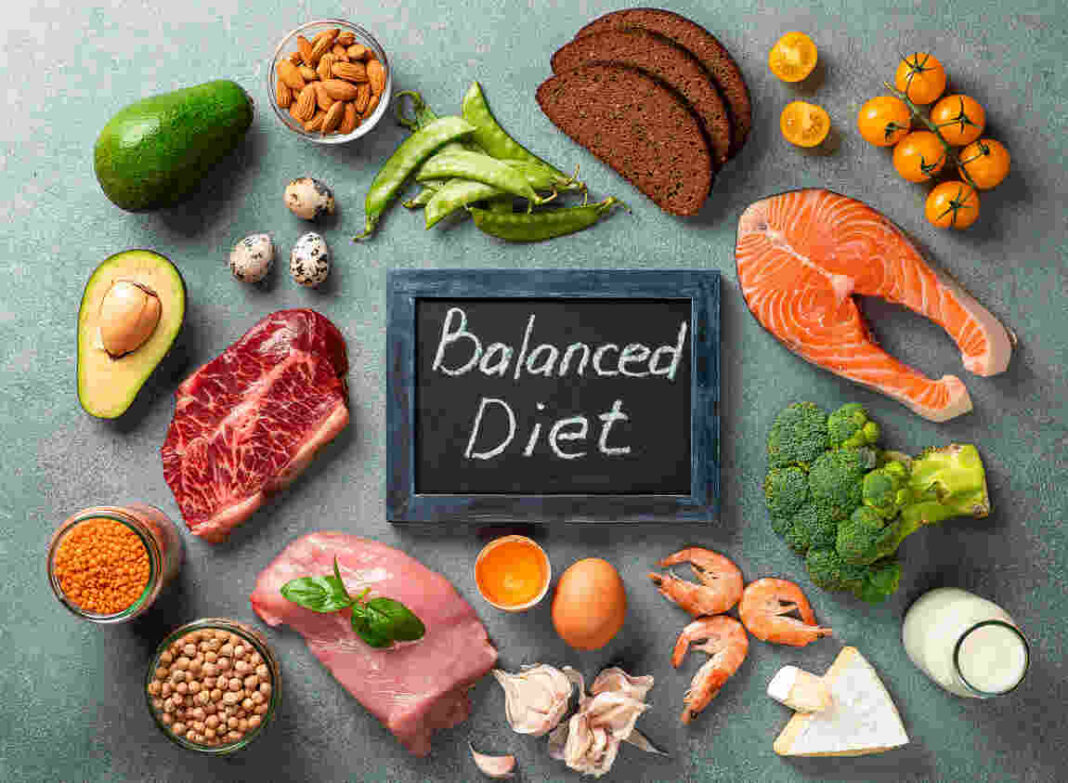
What is a Balanced Diet?
A balanced diet is a nutritional strategy that provides the body with all the essential nutrients — macronutrients (carbohydrates, proteins, fats) and micronutrients (vitamins and minerals) — in the right proportions. It ensures that the body functions optimally, maintains a healthy weight, builds a strong immune system, and prevents various health issues such as obesity, diabetes, heart disease, and malnutrition.
Our bodies are like engines. They require fuel (energy), maintenance (protein and vitamins), and regulation (minerals and water) to perform daily activities. A diet lacking in balance may lead to fatigue, frequent illness, poor concentration, and long-term health complications. A well-balanced diet is not about strict restrictions, staying unrealistically thin, or depriving yourself. It's about feeling great, having more energy, and improving your overall health.
Core Components of a Balanced Diet
1. Carbohydrates: Carbohydrates are the primary source of energy for the body. They fuel vital organs such as the brain, kidneys, heart, and central nervous system. Carbohydrates are broadly classified into two types: simple carbohydrates, which include sugars that are quickly absorbed by the body, and complex carbohydrates, which are found in whole grains and take longer to digest, providing sustained energy. Including the right type of carbohydrates in your diet is essential for maintaining energy levels and overall health.
While complex carbs are beneficial, it's important to avoid refined carbohydrates such as white bread, sugary cereals, and soft drinks, as they can lead to blood sugar spikes and contribute to weight gain.
Healthy sources of carbohydrates include:
- Brown rice
- Whole wheat
- Oats
- Sweet potatoes
- Fruits
- Vegetables
2. Proteins:Proteins are essential nutrients that play a vital role in the growth, repair, and maintenance of body tissues. They are the building blocks of muscles, skin, enzymes, and hormones. Consuming enough protein is especially important during periods of growth and development, such as childhood, adolescence, and pregnancy. In addition to supporting tissue repair and immune function, protein also helps in maintaining muscle mass and strength. A diet rich in high-quality protein sources promotes overall health and supports an active lifestyle.
Healthy sources of protein include:
- Eggs
- Chicken
- Fish
- Beans
- Lentils
- Soy products
- Dairy (milk, cheese, yogurt)
- Nuts and seeds
3. Fats:Fats are a crucial part of a healthy diet, playing key roles in hormone production, brain function, and long-term energy storage. While fats have a bad reputation, not all fats are harmful. In fact, healthy fats are essential for the absorption of fat-soluble vitamins like A, D, E, and K. Including the right kinds of fats in your meals helps improve cholesterol levels, protect your heart, and keep your skin and hair healthy. It’s important to limit saturated fats and completely avoid trans fats, as these can raise bad cholesterol and increase the risk of heart disease.
Healthy sources of fats include:
- Avocados
- Olive oil
- Nuts
- Seeds
- Fatty fish (like salmon)
Limit:
- Butter
- Red meat
Avoid:
- Fried foods
- Packaged snacks (with trans fats)
4. Vitamins and Minerals:Vitamins and minerals, also known as micronutrients, are essential for maintaining proper body functions. They help in regulating metabolism, boosting immunity, repairing tissues, and supporting normal growth and development. Each vitamin and mineral has a specific role in the body, and a deficiency in even one can lead to significant health problems over time. A varied diet rich in fruits, vegetables, dairy, and proteins ensures you get an adequate supply of these essential nutrients.
Key sources include:
- Vitamin A: Carrots, spinach
- Vitamin C: Citrus fruits, bell peppers
- Iron: Spinach, red meat
- Calcium: Milk, cheese, yogurt
- Zinc: Nuts, seeds
5. Fiber:Fiber is a type of carbohydrate that the body cannot digest, yet it plays a critical role in maintaining digestive health, regulating blood sugar levels, and keeping you feeling full for longer periods. A fiber-rich diet can prevent constipation, reduce the risk of heart disease, and support weight management. There are two types of fiber—soluble (which dissolves in water) and insoluble (which adds bulk to stool)—and both are important for a healthy digestive system.
Good sources of fiber include:
- Whole grains
- Beans and legumes
- Vegetables
- Fruits
- Nuts
- Seeds
6.Water:Water is often overlooked but is one of the most essential nutrients for life. It makes up about 60% of the human body and is involved in nearly every bodily function, including hydration, digestion, nutrient transportation, temperature regulation, and waste removal. Even mild dehydration can affect your mood, concentration, and energy levels. It's important to drink enough water daily, and even more if you are physically active, live in a hot climate, or are ill.
Recommendation:
- At least 6–8 glasses (about 2 liters) per day
- Increase intake during exercise, heat, or illness