thrive
A community of women committed to health, wellness, and sustainable living
Plastic waste is a modern problem that industries have created over the last century. Today, it is seemingly impossible to avoid the purchase or utilization of plastic products in our lives.
The problem with plastic lies in it's very nature- it is created to be cheap, durable, and lighter than alternatives such as glass for companies to package and ship goods. However, it is a product
that is created from oil and it's decomposition rate is extensibly longer than other packaging such as paper. Plastic has been linked to increased risk of cancer from
exposure and has also created an environmental headache from it's production to it's disposal.
While the plastic problem can seem overwhelming, there are simple steps you can take to minimize plastic use.
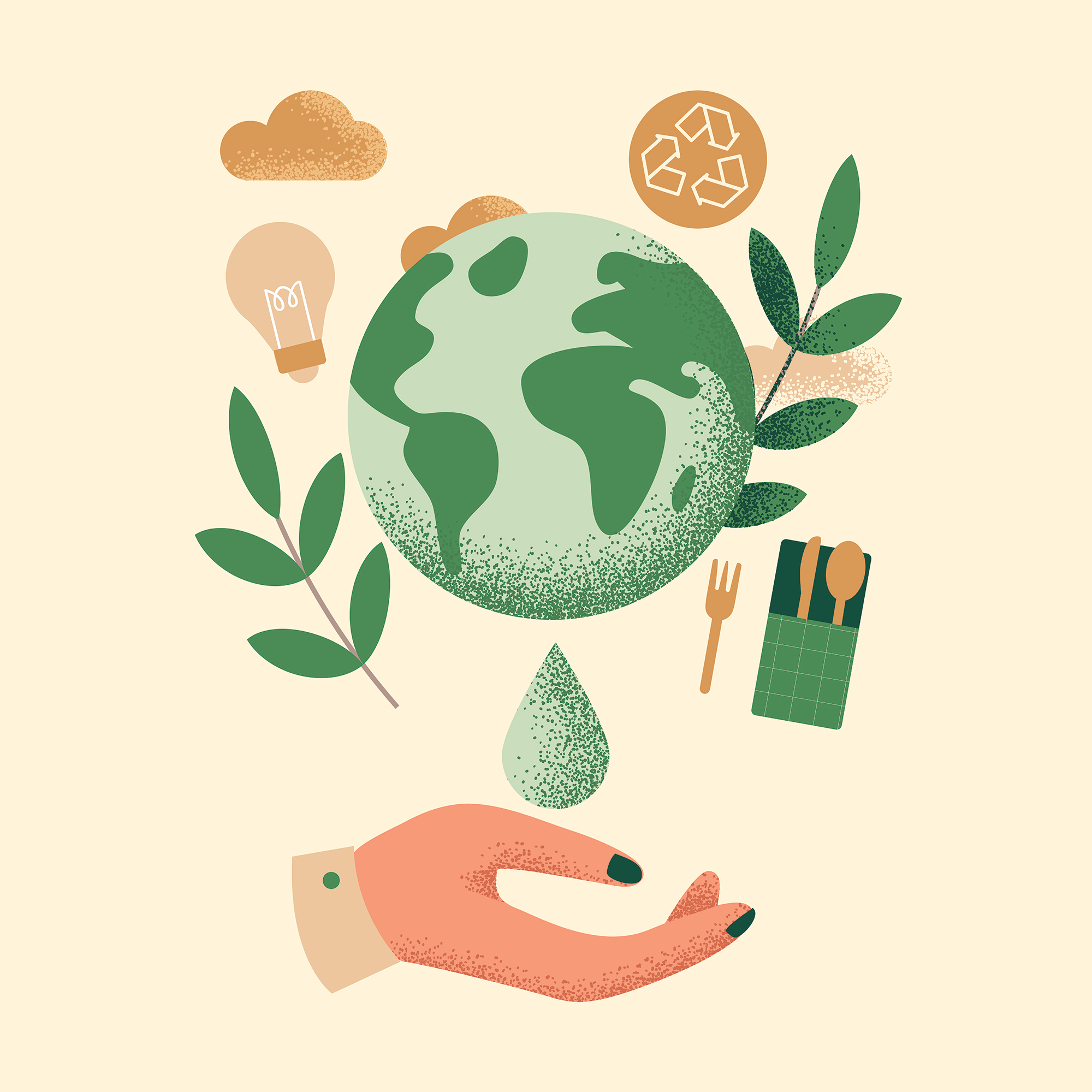
To learn more about plastic waste, check out this website by the United Nations Environmental Program.
-
Reduce
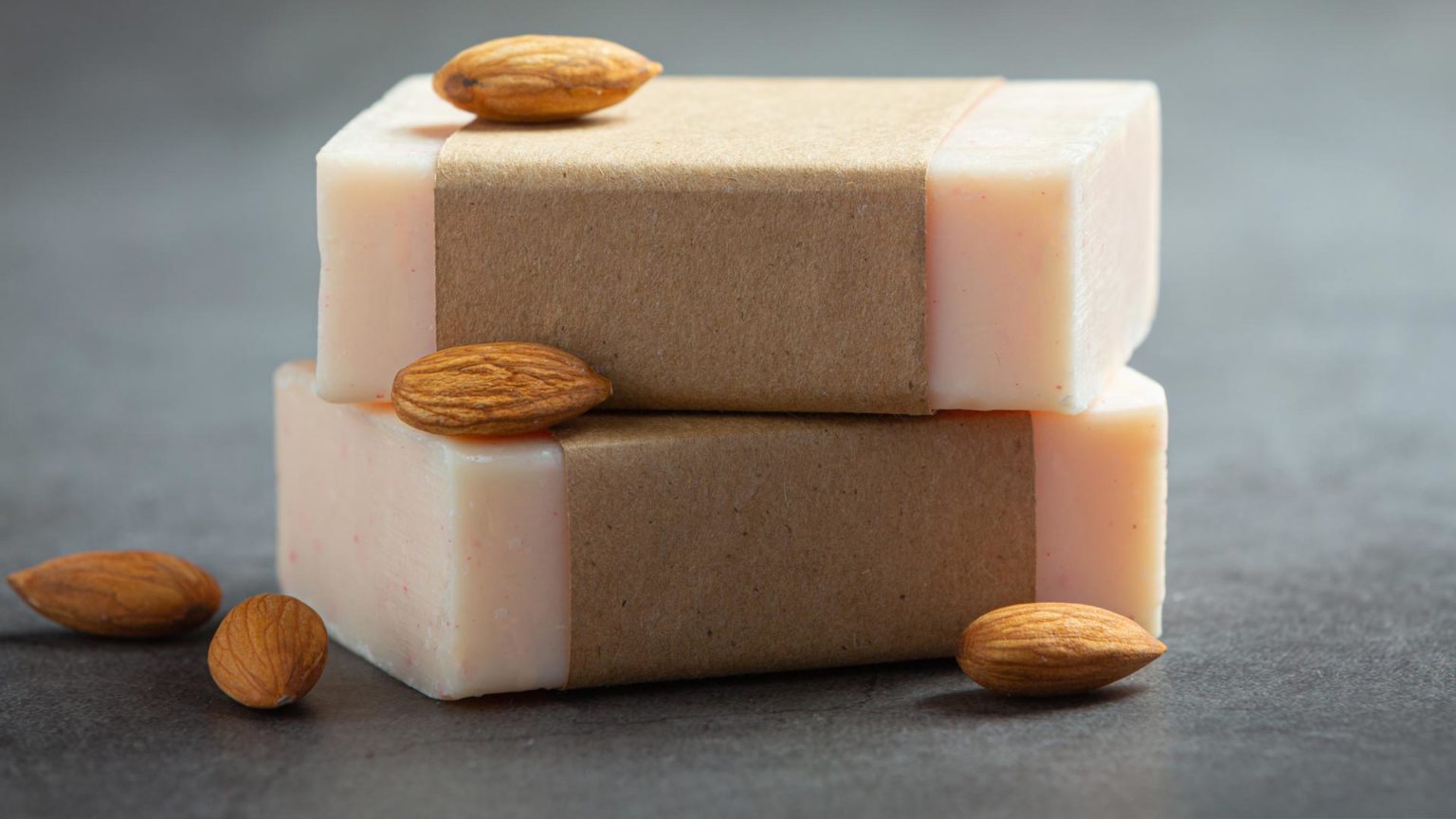
The easiest and most effective way to reduce plastic waste on this planet is by reducing your consumption. Consider purchase alternatives to your regular purchases. Instead of shampoo bottled in plastic bottles, choose a shampoo bar or shampoo in a aluminum bottle. For hand soap, choose a refillable glass container and use refills in aluminum bottles. There are even plastic-free toothpastes in the market. While living completely plastic-free is difficult in our society, you can easily access alternatives at major chain stores or on online platforms.
-
Reuse
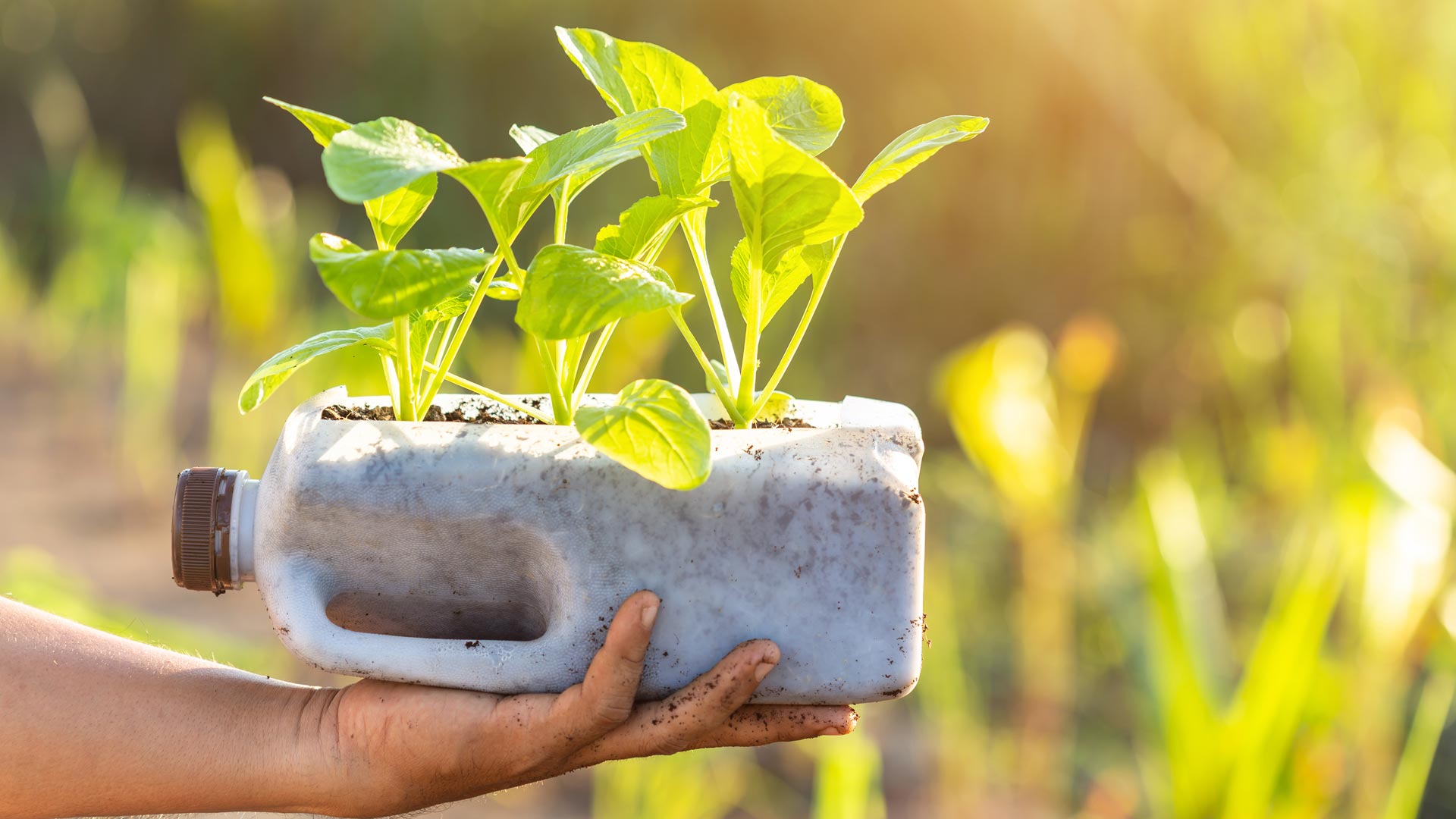
The recycle bin or waste bin do not have to be the only fate for your plastic containers. Think of how you can reuse the plastic that you have: old take-away containers can be used for packaging up your leftovers or milk jugs turned into bird feeders. Plastic soda bottles are handy for use in science projects for students, or for sensory items for toddlers. With a little bit of creativity, the posssibilities are endless.
Recycle
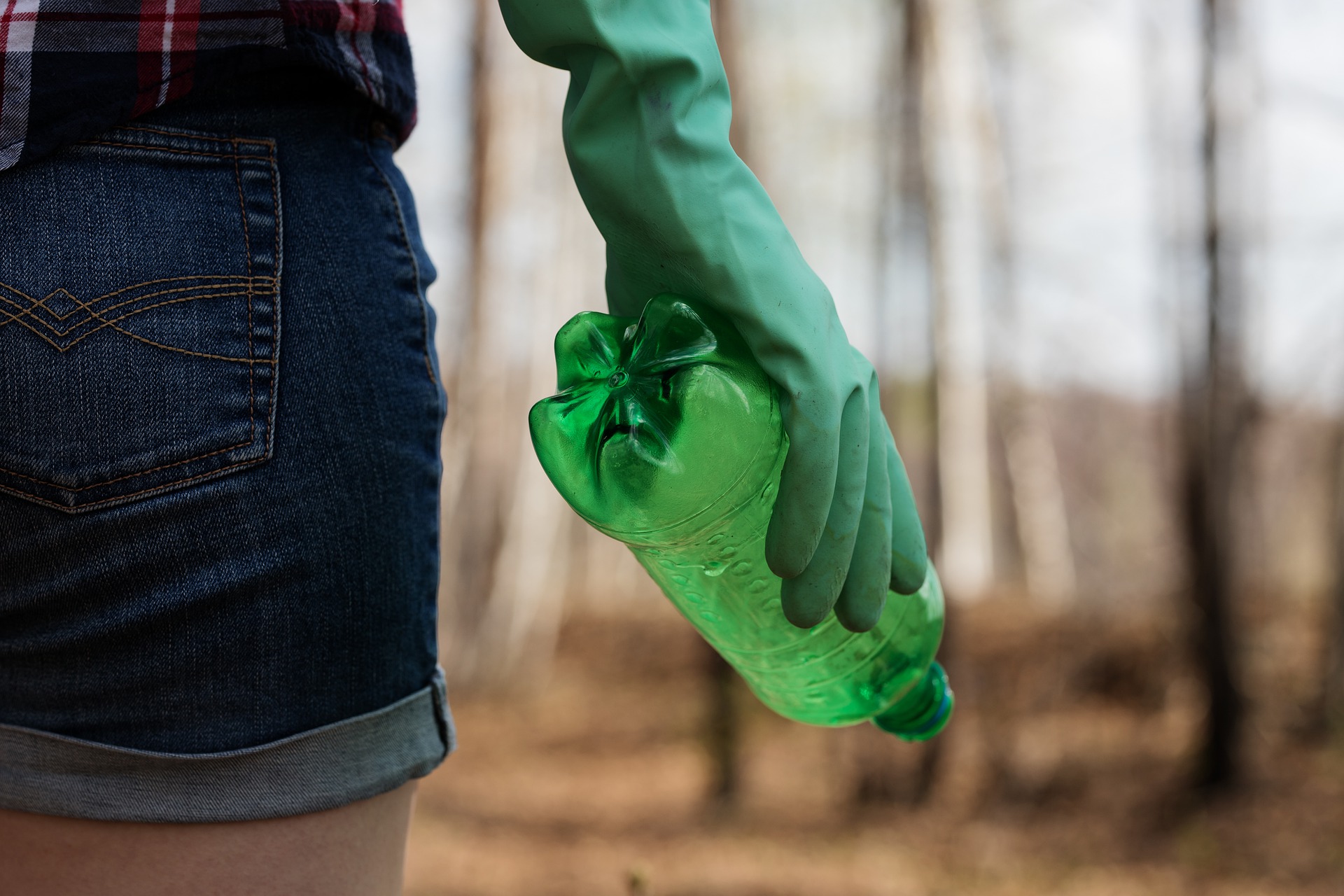
Finally, if you cannot avoid a fully plastic-free lifestyle, it is best to recycle them. It's important to check your local jurisdiction for guidelines on plastic recycling in your area. Every locality has their own unique processing stream for recycles, and not all can take every number. Be sure to clean and dry your plastic waste, as well as check the number on the plastic item before tossing in the bin. Recycling contamination increases the carbon footprint, as it will end up being disposed of with other household waste. When it doubt, it's best to just throw it out.