The Wolf Princess
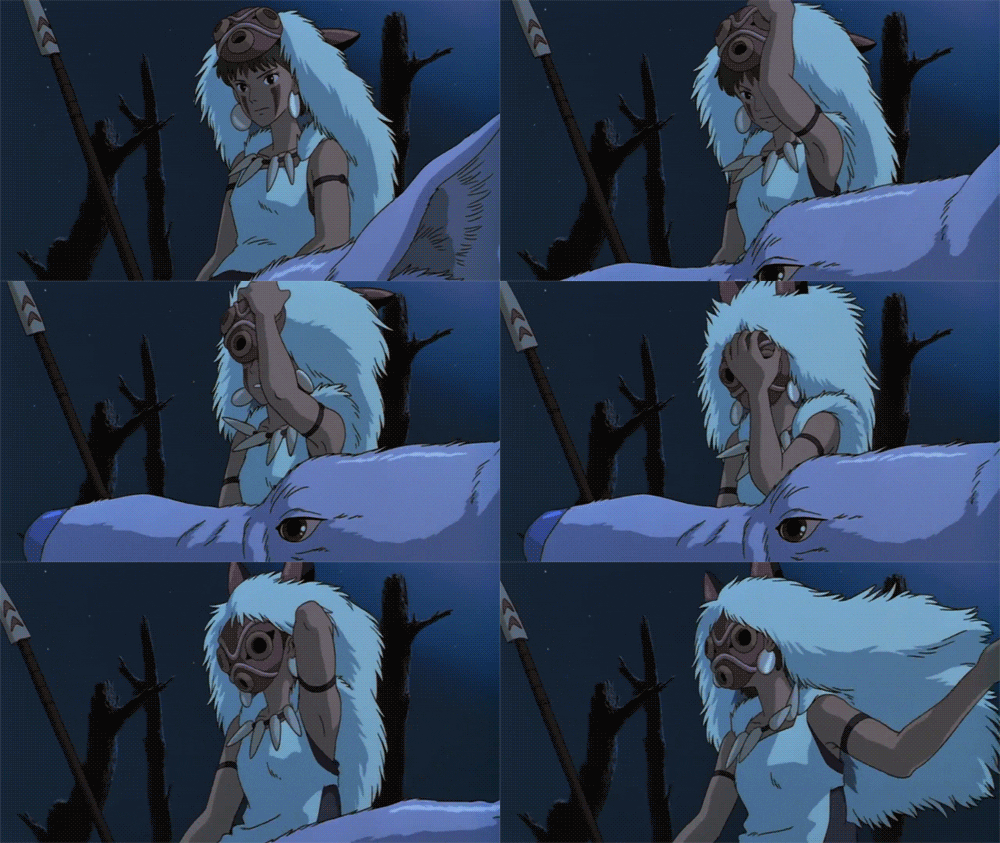
San, known as Princess Mononoke, was abandoned as an infant and raised in the wild by Moro, the wolf goddess of the forest.
Growing up among wolves, she learned to hunt, fight, and survive in the ancient wilderness that humans seek to
destroy.
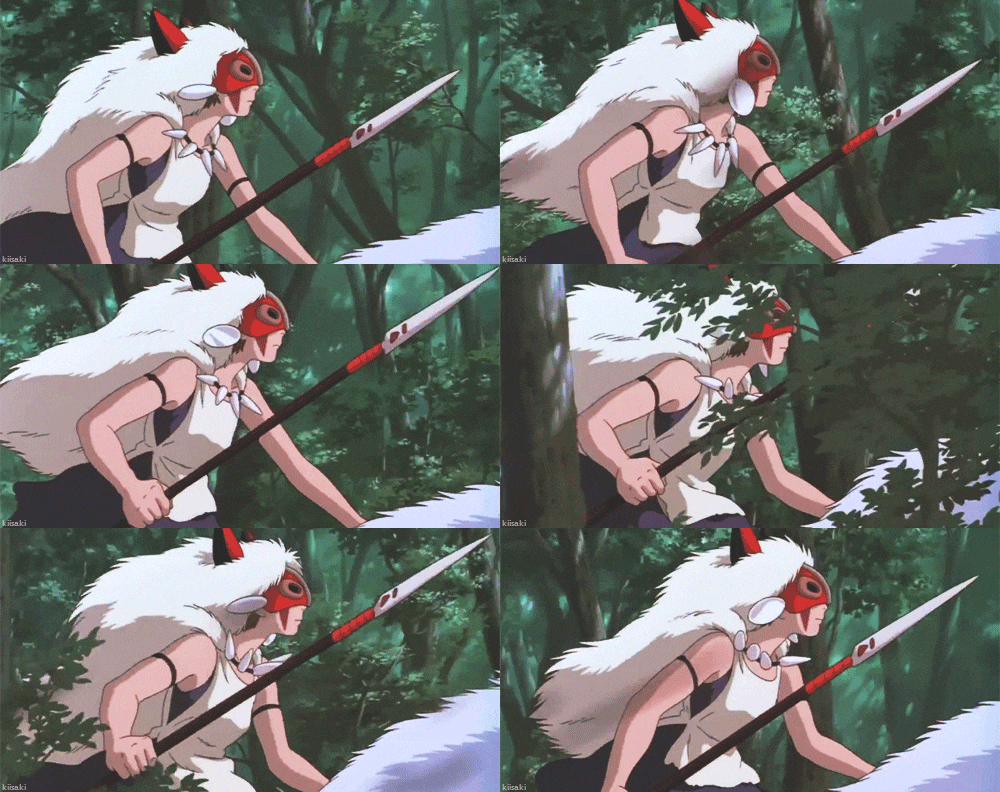
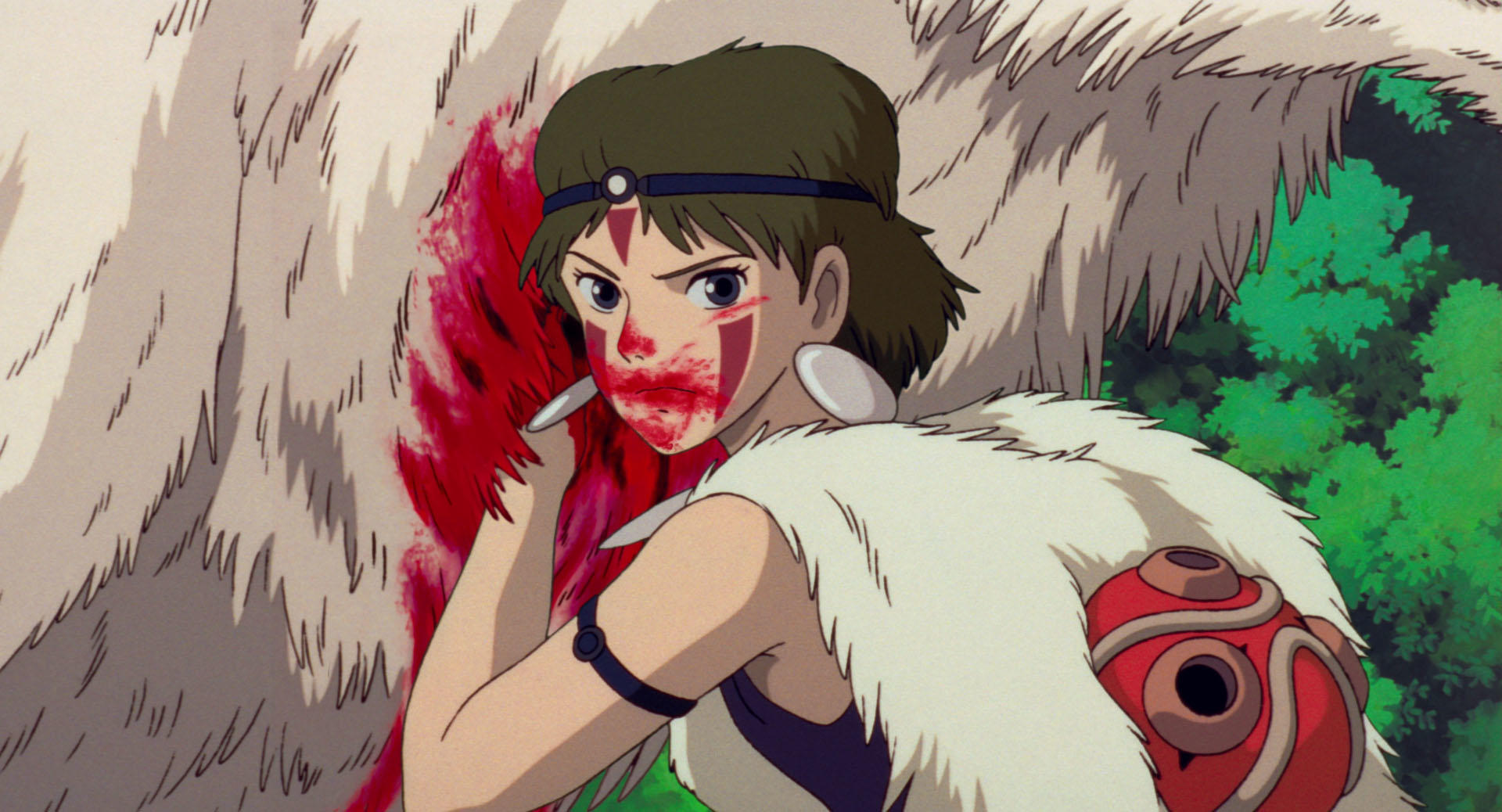
She sees herself as a wolf, not a human, and has sworn to protect the forest and its spirits from the encroaching
iron works of Lady Eboshi and the humans who would consume the forest for their own gain. Fierce, beautiful, and
unyielding, San represents the untamed wildness of nature itself.
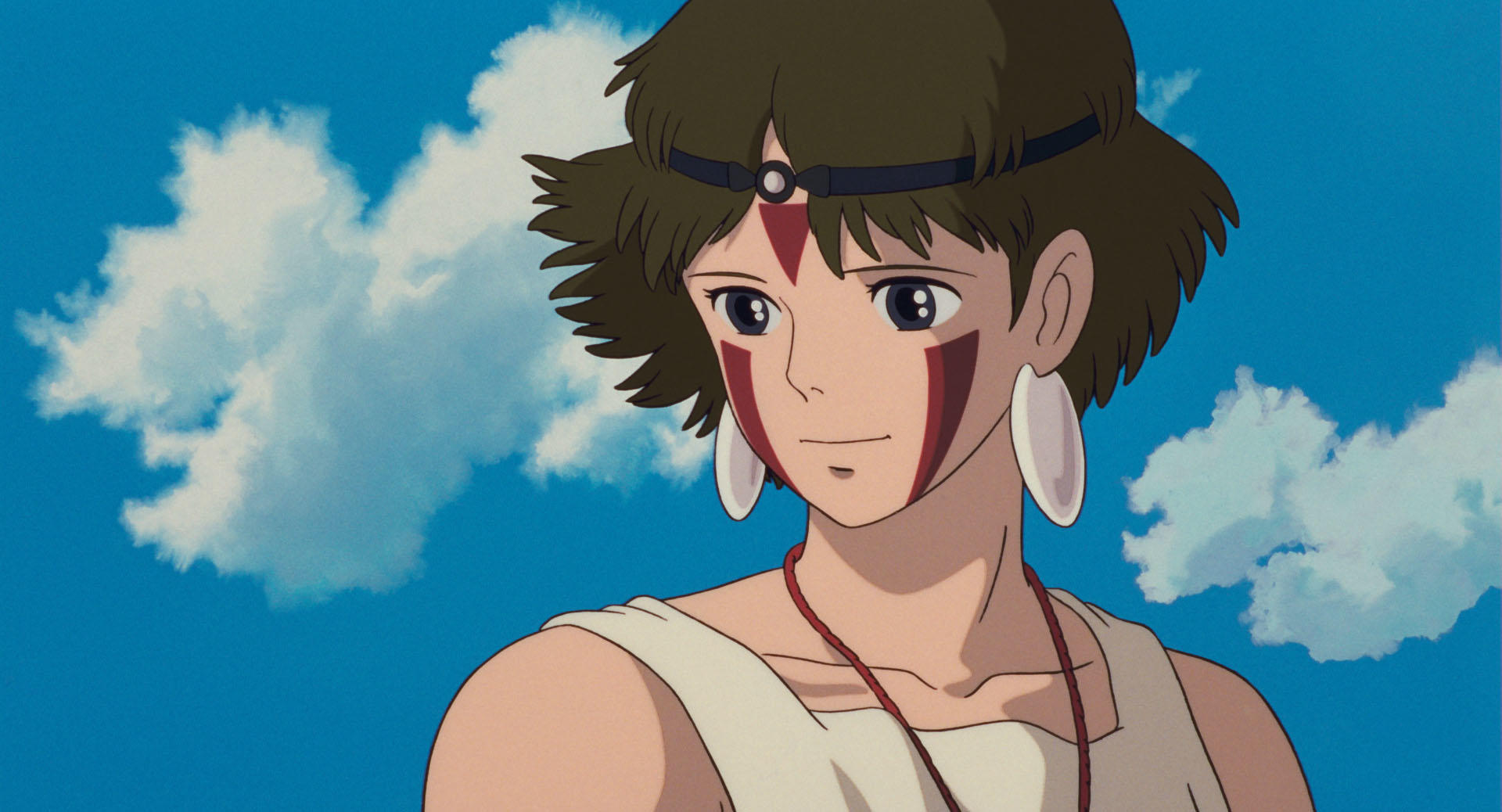
San's journey intertwines with Ashitaka, a young prince cursed by a demon. Ashitaka sees the humanity in San that she
refuses to acknowledge. Together, they navigate the primal conflict between human survival and nature's
preservation.
The Spirit of the Forest
Princess Mononoke explores the devastating conflict between industrial progress and environmental preservation.
Avoiding clear-cut dichotomies of good versus evil, the film presents the fragile realities of both sides in
this conflict - Lady Eboshi provides refuge for society's outcasts, while San's forest is both beautiful and brutal,
and integral to the survival of the human world and the forest world.
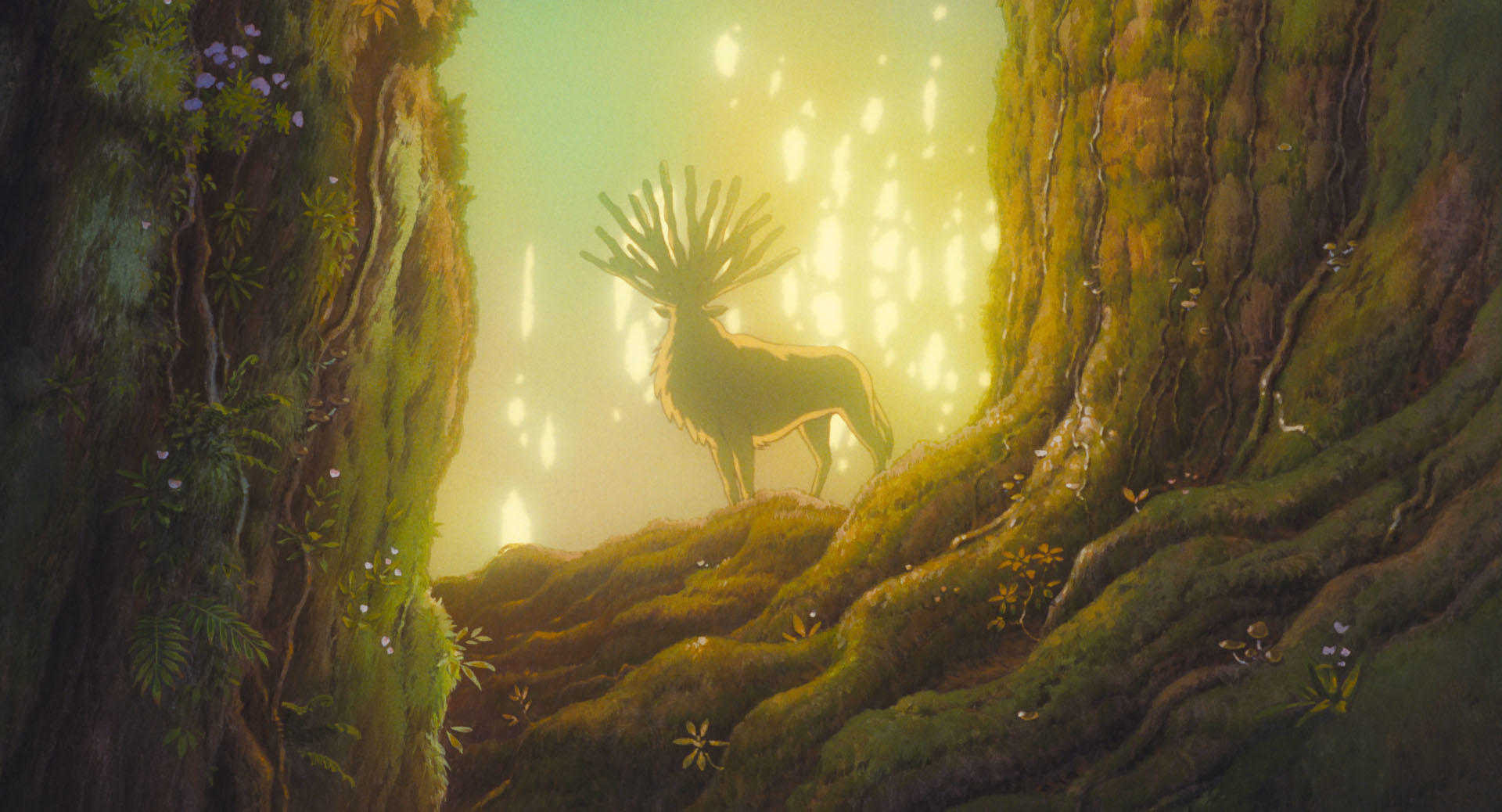
At the heart of the story is the Forest Spirit, the Shishigami, a deity of life and death who maintains the delicate
balance of nature. When humans seek to kill the god to gain immortality, they trigger catastrophic consequences that
threaten all life.
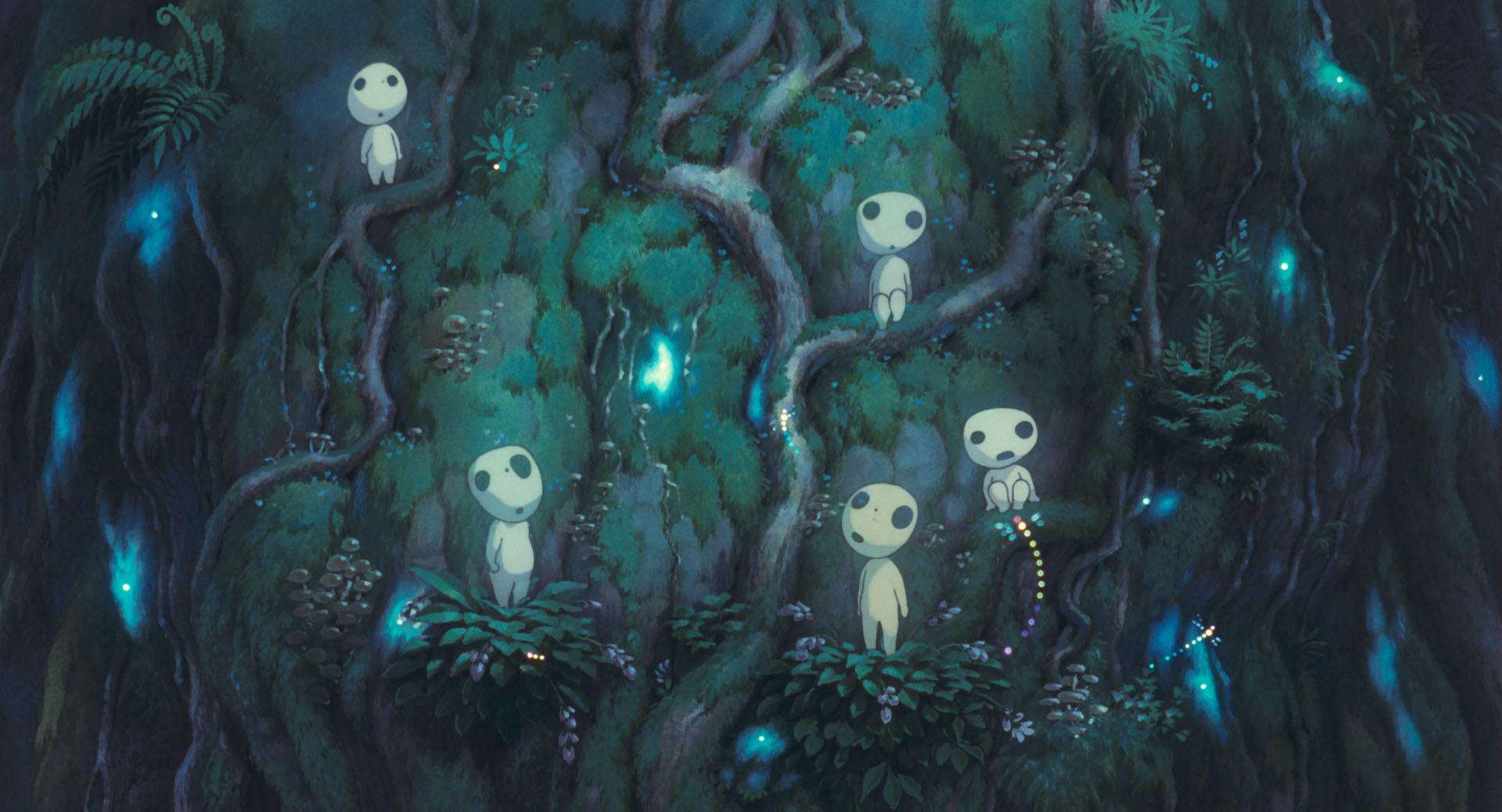
The film's message is clear yet complex: humans and nature must find a way to coexist. Hatred and destruction serve
neither side. Only by seeing with "eyes unclouded by hate" can we hope to find balance in a world where both humans
and nature have legitimate needs.